

Why Transaction Simulation Is the Quiet Superpower Every DeFi User Needs
Whoa! I know that sounds dramatic. But hear me out. The rate of weird failures and stealthy MEV losses in DeFi has climbed to the point where guessing feels dangerous. My instinct said we could do better. Something felt off about trusting confirmations alone.
Serious money moves require more than gut checks. Seriously? Yes. Simulation gives you a rehearsal, a dry run that exposes front-running risks, reverts, slippage surprises, and mispriced pool interactions before you commit real gas. Initially I thought simulation was mainly for devs, but then realized it’s actually the most user-friendly safety tool in a wallet’s toolbox—if done right. Actually, wait—let me rephrase that: simulation is for anyone who wants to stop losing to dumb, avoidable mistakes.
Here’s the thing. When you send a transaction on mainnet you see a single number: pending. That tells you nothing about what the smart contracts will do, who will profit off your move, or whether an oracle will flip mid-block. Hmm… it’s like walking into a courtroom blindfolded. You might get lucky. Or you might get rekt.
So what’s transaction simulation? At its core it’s a way to execute your intended transaction (or a batch of interactions) against a recent block state in a sandbox. No state changes, no finality—just outputs. You get whether the tx would revert, gas used, token deltas, emitted events, and oftentimes an execution trace that reveals how your call interacts with liquidity pools, lending positions, and oracles. That trace is gold.
How simulation changes the DeFi playbook
Small wins here translate to big savings. For example, a simulated swap might show you an apparent 0.5% slippage that will actually be 2% after routing through a fee-on-transfer token and a token with a transfer tax. Or you see a liquidation path that someone else can front-run for profit if you broadcast without a higher gas price. These are practical, tactical insights—not just academic stuff.
My own habit changed after one bad day. I lost a chunk because my follow-on transaction depended on a token repaying a flash loan in a fragiled contract. Ouch. After that, I started simulating everything. Every multi-step strategy. Even low-value approvals. I’m biased, sure (I hate avoidable losses), but it saved me a lot very very quickly.
On one hand simulation shows immediate failure modes. On the other, it surfaces subtle economic effects that only show up when you inspect token flows. So you get both error detection and economic foresight. Though actually, you still need to interpret the results—software won’t do the thinking for you.
Quick aside (oh, and by the way…): not all simulations are equal. There’s post-state simulation, mempool simulation, and flashbots-style bundle testing. Each answers different questions. Post-state is fast and tells you if the current state would allow your tx. Mempool simulation includes pending transactions and is better for front-running risk assessment. Bundle testing is the tool if you want to bypass the public mempool entirely. Different tools. Different trade-offs.
Wallet UX matters here. A wallet that hides simulation behind menus or shows raw traces without context won’t help most users. You need a wallet that makes simulation intuitive: highlighting reverts, showing token deltas in plain language, and flagging typical risk patterns—like oracle dependency or re-entrancy vectors. That product thinking is why I recommend wallets that bake simulation into the signing flow. For routine DeFi users, it’s not optional.
Check this out—using a wallet that integrates simulation lets you see hypothetical gas costs before broadcasting, which helps avoid frantic gas bumps that just feed miners. You can also bundle txs and test if ordering matters. And if you’re doing strategies that span multiple contracts—like leverage + swap + deposit—simulating the whole sequence reveals hidden dependency failures. No surprises.
One more personal note: I used to skip simulation for quick swaps. Bad habit. Now I preview even tiny trades when interacting with new tokens or unfamiliar DEXs. It’s low friction and high yield. You lose less. You learn more. Win-win.
Common simulation pitfalls and how to avoid them
First, stale state. Some services simulate against an older block. That misses mempool dynamics. Your sim might show success while the real world reverts. So prefer mempool-aware simulation when front-running is a concern. Second, gas estimation errors. Simulated gas doesn’t always match on-chain gas if the EVM paths diverge under different inputs. Third, misinterpreting logs. A token delta might look positive, but that could be followed by a fee-on-transfer or a callback that drains value.
Here’s what bugs me about some guides: they treat simulation as binary—pass or fail. It’s more nuanced. A simulation that “passes” may still expose you to sandwich attacks, slippage that wipes profits, or temporary insolvency in lending positions. So read the trace. Look for external calls. Look for oracle reads. Ask: will this behave the same if someone inserts a tx before mine? If the answer is no, rethink or consider a bundle.
Also: don’t blindly trust third-party simulations. Providers can be honest, but bugs happen. Use multiple sources for high-value moves. That’s extra work, I know. But when stakes are high it’s worth the time.
Another practical tip: simulate with realistic gas prices. Simulating at 1 gwei when you’re going to broadcast at 200 gwei is misleading. The miner selection and reordering probabilities change. My instinct said this was obvious, yet I’ve seen folks miss it—so I mention it here.
What a great wallet experience looks like
A great wallet treats simulation as part of the mental model for transactions. Short description, immediate red/yellow/green status, and a one-click deep dive into the execution trace. Integration with bundle builders is a plus. Also, permission management should be seamless—simulate approvals too (we forget that approvals can fail or be overwritten).
I like wallets that simulate automated strategies—say, a limit order that executes only if certain conditions are met. Simulating the trigger and the outcome helps you design safer automation. The UX should nudge you: show aggregates, explain the risk in plain English, and keep advanced details for those who want to dive in.
Okay, so check this out—if you’re shopping for a wallet, try one that supports pre-execution simulation and shows the exact token in/out and emitted events. You want to see that the contract call sends 100 USDC, and that 98 USDC ends up in your pool position after fees, not a vague “success” message. For me, that level of detail is non-negotiable.
I’m partial to tools that let you re-run a simulation with minor parameter tweaks without crafting new transactions from scratch. That’s how you iterate rapidly on gas limits and slippage tolerances. It feels like tweaking the dials on a stereo until the track sounds right.
And yes—security layers still matter. Simulation doesn’t replace audits or multisig. It complements them. Consider simulation a preflight check, not a certification.
FAQ
How accurate are transaction simulations?
Simulations are accurate for the block state they emulate, but they can’t perfectly predict mempool ordering unless configured for it. In short: they’re highly useful for catching reverts, token deltas, and obvious attack vectors, but they aren’t infallible. Use mempool-aware tools for front-running concerns, and bundle testing when you need deterministic ordering.
Can simulation prevent MEV or sandwich attacks?
Not by itself. Simulation helps you detect vulnerabilities—like when a large swap will attract sandwichers—but preventing those attacks usually requires additional techniques: time-weighted orders, private mempool submission, or bundling through relays. Still, simulation is the first line of defense because it tells you whether an attack is possible.
Do all wallets offer simulation?
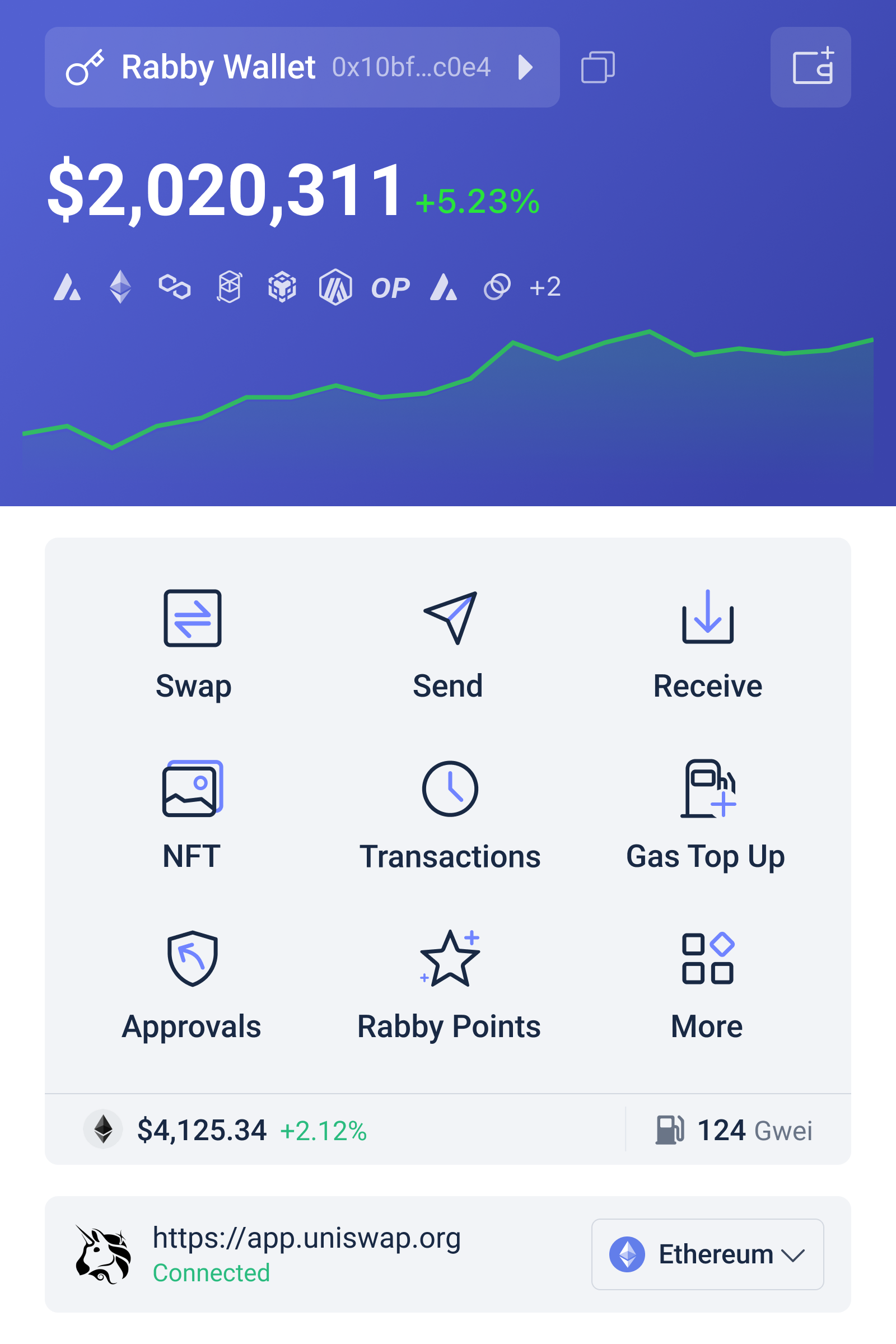
No. Some wallets focus only on signing and broadcasting. Others integrate simulation into the signing flow. If you interact with DeFi regularly, choose a wallet that makes simulation frictionless—so you actually use it. Try to find one that explains results clearly and supports mempool testing when needed. For an example of a wallet that integrates these flows in a user-friendly way, see rabby wallet.
Alright—here’s the takeaway, but not that kind of tidy wrap-up. Simulation forces you to ask smarter questions before you risk capital. It reveals failure modes, shows economic outcomes, and—when paired with good UX—turns complex contract interactions into readable choices. I’m not saying it solves everything. I’m saying it raises the floor on what counts as “safe” in DeFi. And if you care about avoiding stupid mistakes, it’s a habit worth building.
So next time you hit confirm—pause. Simulate. If the results surprise you, dig in. If they don’t, breathe and send. You’ll be glad you did. Somethin’ about rehearsing just makes you calmer. And maybe richer. Or at least less annoyed at yourself later…