

Tangem cards and NFC hardware wallets: practical notes from someone who actually pocketed one
Whoa! I carried a Tangem card in my wallet for three months. Really? Yep. At first it felt like a novelty — a slick, credit-card-shaped piece of tech I could tap on my phone and be done with. My instinct said: this is convenient. But something felt off about trusting convenience alone. Initially I thought it would be just another toy for crypto enthusiasts, but then I relied on it to sign real transactions and got a bunch of real-world lessons I want to share.
Here’s the thing. The Tangem card is not a phone app pretending to be secure. It’s a hardware wallet built into a contactless card using a secure element. Short sentence. The idea is simple: your private key lives in the card and never leaves. Medium sentence explaining why that matters: when the card signs a transaction, it does so internally and only emits the signature, so even if your phone is compromised the key itself stays protected. Longer thought with nuance: though the card avoids seed phrase exposure by design, that also changes how you back up and recover access, and understanding that trade-off matters more than the shiny form factor.
First impressions are fast. The card is minimalist — no screen, no buttons — so you get used to one-handed taps. Hmm… I liked the low friction. On the other hand, the lack of a visible seed or recovery phrase initially made me nervous. Actually, wait—let me rephrase that: security isn’t only about what’s physically present, it’s about the mental model you adopt when using the device. On one hand, fewer steps lessens user error; though actually, if you lose the card and haven’t set a proper backup strategy, you can be stuck. Short again.
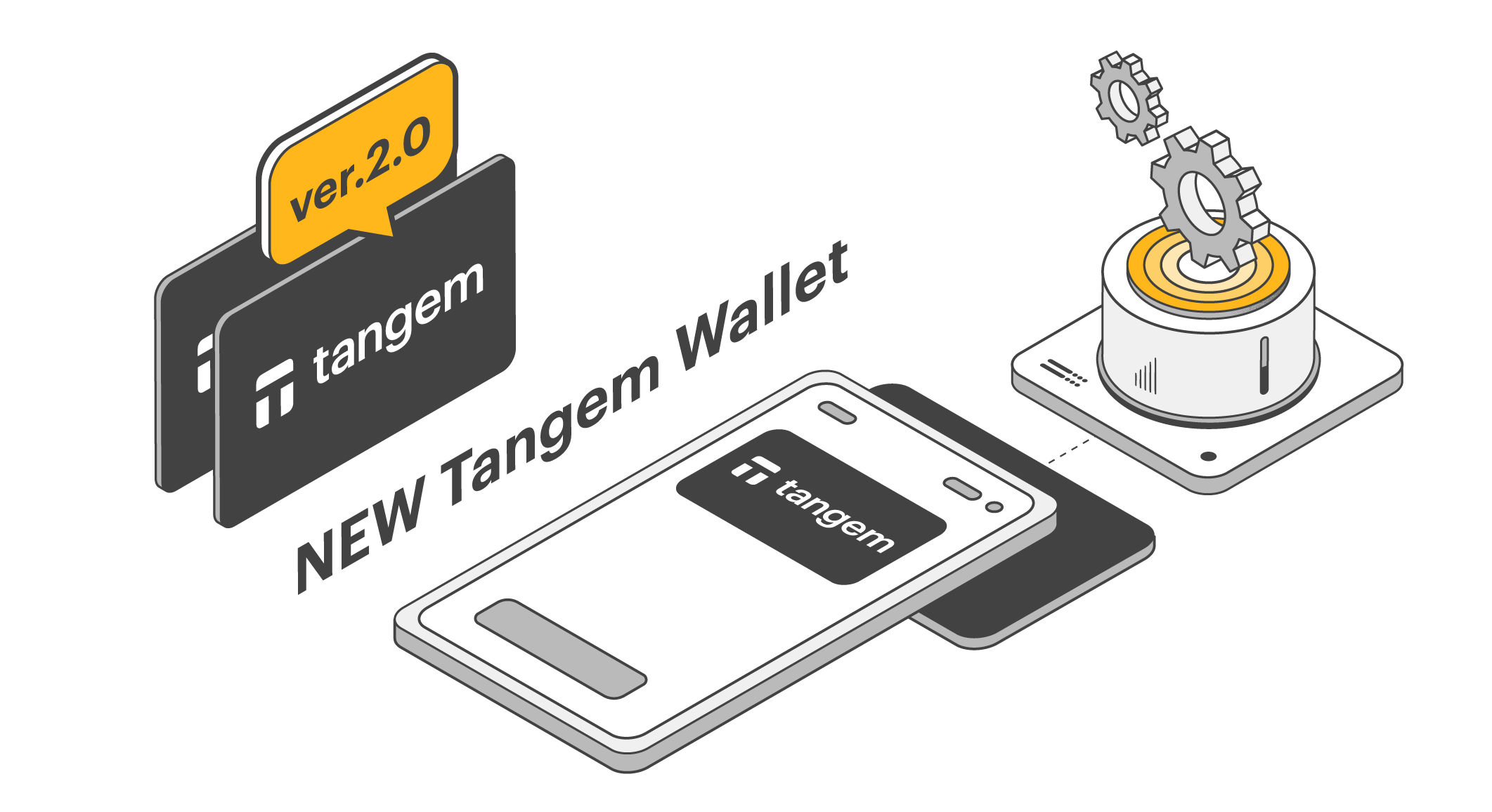
What the Tangem card is, in plain words
The Tangem card is an NFC hardware wallet in a card form factor. It contains a secure element — the same kind of tamper-resistant chip banks use — and it stores private keys inside that chip. You don’t see the key. You don’t export it. You tap to authenticate and the chip signs transactions. Simple. Small. Easy to carry in a credit-card slot. My bias: I prefer cards over bulky dongles for everyday use, especially for on-the-go spending and small transfers.
But security isn’t magic. Short. You still need operational discipline. Medium thought: if your phone’s NFC interaction is intercepted by a malicious app, the attacker still can’t get the private key, but they might trick you into signing something. Longer point: because there’s no screen on the card itself, transaction verification relies on the host app’s interface — so you must trust the app to present transaction details accurately, or use a companion device that lets you confirm amounts on trusted hardware.
Setup, backup, and recovery — the real weak points
Setting up the card is straightforward: open the companion app, tap the card, and it creates a keypair inside the chip. Short. The card itself resists cloning; it’s designed to be tamper-evident. Medium explanation: rather than giving you a seed phrase to write down, Tangem offers options like factory-backed recovery or issuing multiple cards as a shard-style backup (i.e., multiple physical cards each holding a way to recover). This is convenient for people who are phobic about writing down 24 words, but it shifts the trust model.
Here’s where I had my “aha” — if you rely on a single physical card, losing or damaging it can mean losing access unless you’ve planned. Seriously? Yes. Initially I thought: “no seed phrase, no problem.” But then I tried to recover access on a new phone without the backup card and hit real friction. On one hand, the no-seed approach reduces one common user mistake — copying seed phrases into cloud backups — though actually, it creates other risks, like single-point-of-failure unless you intentionally create backups.
Practical options: buy an extra Tangem card and keep it in a safe deposit box. Or use Tangem’s backup solutions where available (some enterprise setups allow custodial recovery). I’m not 100% sure about every backup path for every Tangem model (they have different SKUs), so check the details before you commit money. Small disclaimer. Also, somethin’ to remember: the “convenience” story is only valid when you accept the backup trade-offs.
Security model: what you gain, what you trade
Fast take: private keys never leave the secure element. Short. That protects against many common smartphone threats. Medium: because the card uses a certified secure element, physical attacks are non-trivial — the attacker would need expensive lab access to extract secrets. Longer thought with nuance: however, the card’s lack of an integrated display means it can’t independently show transaction data to you, so you’re trusting the app (and by extension the phone) to tell you what’s being signed; this is different than a Ledger or Trezor that shows amounts on a hardware screen that you can verify independent of the host.
Here’s what bugs me about that: UI-level malware can present false transaction details, and a tap-signature model with no independent verification might let users sign malicious approves or swaps. I’m biased, but for large-value cold storage I still prefer devices with screens and explicit button presses because they force a deliberate confirmation. For day-to-day spending or small trades, Tangem’s model is strong and way less friction. There’s always trade-offs. The practical takeaway: use Tangem for convenience and rapid payments, but consider a multi-tier strategy if you hold large amounts.
Integration and ecosystem
Tangem cards work with a growing number of wallets and exchanges. The card’s NFC interface is broadly compatible with many Android devices (and some iOS devices with NFC support), but compatibility varies. Short. If you plan to use a specific app, test it before moving big funds. Medium: check RD compatibility list or the specific wallets that advertise Tangem support; some integrations are full-featured, others are basic. Longer point: for advanced DeFi interactions you might need to use a desktop flow or a bridging app, which slightly reduces the pure tap-and-go experience.
One link worth bookmarking is the tangem wallet page where you can find specifics, supported integrations, and setup guides: tangem wallet. Keep that as your launchpad. Also: operating system quirks matter — Android NFC stacks are more permissive than iOS in some cases — so if you’re an iPhone-only user, double-check support for your model.
Real-world use cases — where Tangem shines
Tap-to-pay or tap-to-sign for small transfers. Short. Cold storage for everyday crypto spending, like keeping a smaller portion of your holdings accessible without carrying a ledger. Medium explanation: artists or merchants who accept crypto can use a Tangem card for quick signatures at point-of-sale, which is a neat on-ramp for customers. Longer thought: it’s also great for gifting crypto because you can hand someone a physical card that contains the funds; the tactile element is memorable and reduces digital copy-paste mistakes.
But be realistic: if you’re managing a large treasury for a company, enterprise multi-sig and hardware with screens are probably the safer choice. There’s a place for both in a portfolio. On the street, the card is discreet and doesn’t scream “crypto” — which is a small security plus in some neighborhoods (oh, and by the way… I tested this in a café and got fewer curious stares than when I pulled out a hardware dongle).
Practical tips and best practices
Short checklist: buy a backup card, keep one in a safe, test recovery, update firmware, and verify apps before you trust them. Short. Medium: never sign contracts or approvals on the fly without reading transaction details on a trusted interface; even convenience should be tempered with a quick sanity check. Longer guidance: for significant holdings, use a layered strategy — long-term cold storage on a hardware device with a display, medium-access funds on Tangem cards, and hot wallets for daily swaps and DEX activity — that way you’re balancing usability and security in real terms.
I learned a few messy lessons. For one, transferring a large sum to a card without a backup felt wrong — I almost regretted it afterward. On the second occasion I got smart: duplicated the control via a second card and stored it securely. My instinct was validated. Minor typos? Sure. But the point stands: backup matters. Also, apps sometimes present approvals for token allowances in ways that are confusing; be cautious with “approve all” prompts.
Comparisons: Tangem vs. Ledger/Trezor
Short: Tangem = frictionless NFC card, Ledger/Trezor = hardware devices with screens and buttons. Short. Medium: Tangem’s biggest advantage is convenience; Ledger/Trezor’s is independent transaction verification. Longer comparison: if you want to minimize attack surface from a compromised phone, a device with a display is superior because you can independently verify amounts and addresses; if you want day-to-day usability without cables or dongles, Tangem is much more pleasant to live with.
On the whole, they serve different jobs. One is not strictly better than the other; it’s about risk profiles and use patterns. I’ll be honest — I carry a card and keep my bulk stash in a more conservative device. That’s my personal compromise. You might prefer differently.
Frequently Asked Questions
Can a Tangem card be cloned?
Short answer: not easily. Tangem cards use tamper-resistant secure elements designed to prevent key extraction and cloning. Medium detail: physical cloning would require advanced lab tools and breaking secure element protections, which is prohibitively expensive for typical attackers. Longer nuance: while physical cloning is unlikely, human errors like losing the card or trusting a malicious app are realistic risks, so operational security still matters.
What if I lose my card?
Depends on your backup setup. If you have a second card or recovery mechanism, you can restore access. Short. If you relied on a single card with no backup, recovery may be impossible. Medium tip: treat the card like cash or a private key — plan for loss scenarios ahead of time and distribute backups across secure locations.
Is Tangem safe for DeFi and NFTs?
Yes for signatures, with caveats. Short. The card can sign transactions for DeFi and NFT interactions, but because it lacks an independent transaction display, you must rely on the wallet app to show correct details. Medium advice: for high-value DeFi operations, prefer flows that let you verify details on a trusted device or use a device that supports detailed transaction confirmation when possible.
Okay, wrapping my thoughts with a human beat: I came in curious and left cautiously impressed. The Tangem card nails the everyday convenience problem — tap, sign, go — and it’s a genuinely useful option for people who want contactless custody without juggling seed phrases. But convenience costs design decisions, and you need to accept and mitigate those trade-offs. I’m not selling anything here. I’m biased toward usability, but also pragmatic — use backups, know the limits, and don’t put your life’s savings on a single plastic card unless you’ve planned the recovery. So yeah: it’s cool. Use it smartly. Somethin’ to chew on.