

Why OKX Login, Verification, and Futures Still Trip Up Traders — And How to Fix It
Whoa. Seriously? Logging into an exchange should be boring. Instead it feels like defusing a tiny bomb. My instinct said: somethin’ about the flow here is needlessly fiddly. At first glance OKX looks slick — professional UI, lots of features — but then you try to do something simple and the friction shows. Hmm… here’s the thing. You can get in fast, or you can get stalled for days by verification quirks and margin rules that aren’t super obvious until they bite you.
I used OKX for spot trades, moved into futures, and yep — did the whole verification dance. Initially I thought the verification step was just paperwork, but then I realized it affects limits, funding methods, and even which futures products you can access. On one hand the compliance is reassuring (regulatory risk management, fine). Though actually — on the other hand — for a US-based trader it can be maddening when documentation, IP, or phone-number checks trip up the session and freeze deposits. I’m biased, but that part bugs me.
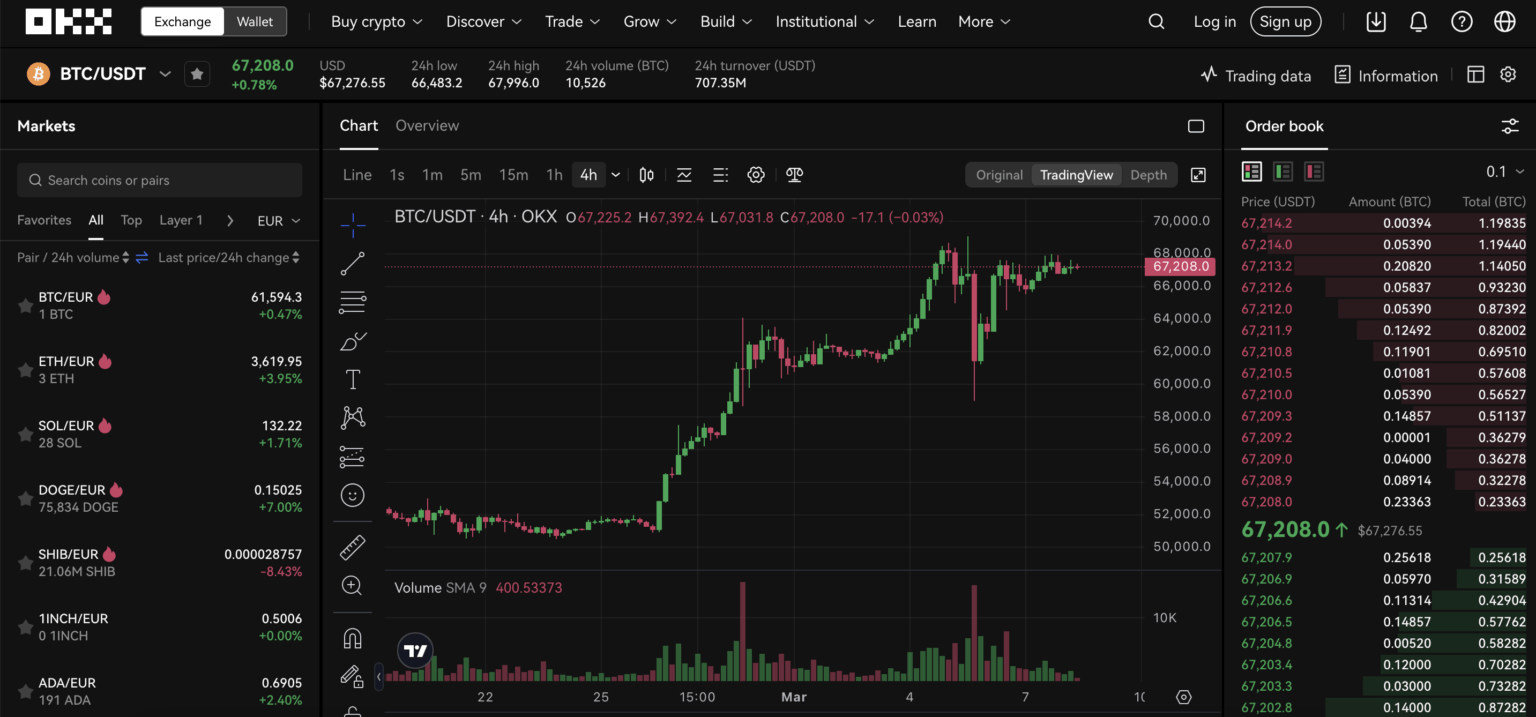
Quick practical primer: OKX login basics
Okay, so check this out—before anything else, use the official link for a reliable start: okx login. Short sentences: log in. Medium: enable 2FA and keep an authenticator app handy. Longer thought: if you mess with SMS-only security, my experience says you’ll regret it when you lose a SIM or travel internationally and your number behaves like it’s on vacation.
Here’s how I approach a new account. First, sign in with email or phone. Then set up Google Authenticator (or a hardware key). Next, do identity verification — not later, because later is usually when you need a high withdrawal limit or want to use leverage and suddenly you’re in line for ID review. Pro tip: take clear photos of your ID and a selfie in good light; blurry uploads cause delays and human reviewers are less forgiving than you’d hope.
Whoa! Little detail: when you verify, check the country listed. Something felt off about the geo-IP checks — sometimes I had to confirm location or get flagged for VPN usage. If you’re traveling, turn VPN off during verification, or verify from a trusted local IP. My instincts were right on that one.
Verification tiers and what they unlock
Short: KYC matters. Medium: basic verification unlocks deposits and modest withdrawals; enhanced verification raises limits, adds fiat onramps, and improves derivatives access. Longer: futures trading often requires a higher verification level and sometimes separate approvals because of leverage and jurisdictional rules, which is a pain when you just want to hedge a position or short a coin.
I’ll be honest — the verification emails can be cryptic. They tell you something failed, but not why. Initially I thought resubmitting the same images was enough, but actually wait—let me rephrase that: you often need different photos, or different document types, or to remove filters from images. On one occasion I had to switch from a phone photo to a passport scan to clear verification. Annoying, but true.
(oh, and by the way…) If you plan to wire fiat, expect additional bank verification steps. Banks and exchanges play a cautious game. That’s fine — mostly — but plan for 2–5 business days for transfers and another day or two for the exchange to reconcile funds before you can trade futures or margin. Don’t show up expecting instant fiat credit unless you’re using a supported onramp like certain debit card rails.
Futures: opportunity and the things people ignore
Short: leverage amplifies everything. Medium: futures give liquidity and hedging power, but each contract has its own maintenance margin and funding rate quirks. Longer thought with nuance: if you open a high-leverage position without understanding mark price vs. last price, liquidation mechanisms, and funding rate swings, you will lose money faster than you think — and honestly, that’s on most traders’ impatience, not the exchange.
Here’s what I did wrong early on: I treated the perpetual funding rate like a curiosity, not a recurring cost. That cost compounds if you roll positions. Also, position sizing matters more than strategy: manage risk with clear stop levels, and consider using cross margin only when you understand how it shares collateral across positions — otherwise isolated margin is safer for beginners.
Something felt off when I saw a newbie margin call that wiped a collateral stack because they used cross margin across uncorrelated positions. My gut said don’t do that. And yeah — it’s basic, but traders get excited and forget risk management in the moment. It’s human.
Practical checklist before trading OKX futures
1) Verify account to the needed tier. Seriously, do it early. 2) Set up and test 2FA. 3) Fund with a modest amount to practice margin and liquidation behavior. 4) Read contract specs: funding intervals, tick size, min order quantity. 5) Use stop orders and know how post-only / reduce-only flags work on OKX’s UI. 6) Track funding rates — they matter for position rollovers.
On a technical note, watch the difference between maker and taker fees. If you use market orders in fast moves, you pay taker fees and you might eat slippage. Makers get discounts, sometimes rebates. For active traders, that can be material over months.
Common questions traders ask
How long does OKX verification take?
It varies. Short answer: hours to a few days. If automated checks pass, you can be done in hours. If a human reviewer needs clearer docs, it can take a few days. Pro tips: upload clean, recent documents, avoid selfies with dark lighting, and be ready to provide extra proof like utility bills if asked. I’m not 100% sure of exact times because it depends on volume and regional rules, but plan conservatively.
Can US users trade OKX futures?
Depends. OKX historically has had restrictions for certain jurisdictions. Some US users can trade conditional derivatives through specific channels, but regulatory posture shifts. If you’re in the US, check the product availability after you log in, and confirm your verification tier. Also: tax and regulatory compliance considerations can vary by state — keep records for reporting.
My login is blocked. What now?
Short: don’t panic. Medium: check your email and SMS for a flag or verification step. Longer: if you suspect account compromise, contact support via the official channels and prepare to confirm identity. Avoid third-party “help” communities that promise fast unlocks — those are often scams. And yes, keep backups of your 2FA seeds or hardware keys; losing them is a headache.
Okay — wrapping up, but not quite wrapping up because these things tend to need follow-up. I started curious, got annoyed, found fixes, and then dug into futures nuance. My recommendation: approach OKX with respect for verification, a checklist for security, and humility about leverage. There’s a lot of power on that platform — and, as always in crypto, that power cuts both ways.